

Rubio calls on Russia to be more transparent about plague lab worker’s death in Siberia
Geneva — U.S. Secretary of State Marco Rubio called on Russia to be more “transparent” about the recent death of a plague research center scientist and any risks associated with the incident, which Russian authorities have offered conflicting information about this week.
“I think it’s incumbent upon Russia to obviously share more information with the world,” Rubio said Tuesday after arriving in Iceland’s capital Reykjavik for a visit. He called on Moscow to be “transparent” a day after Russia’s primary national health agency denied earlier reports by local officials that the Siberian lab worker might have died of plague after a lab accident and that anti-plague measures were imposed at multiple health facilities in the wake of her death on Oct. 1 or 2.
The World Health Organization said Tuesday that the public health risk in Russia and Europe was considered low after the incident in Russia’s far-eastern Siberia region.
“The WHO initial risk assessment from the information available estimates the risk to be moderate to low for Irkutsk, a low risk for the Russian Federation as a whole, and very low for the WHO European region,” the United Nations health agency’s spokesman Christian Lindmeier told reporters at the agency’s Geneva headquarters.
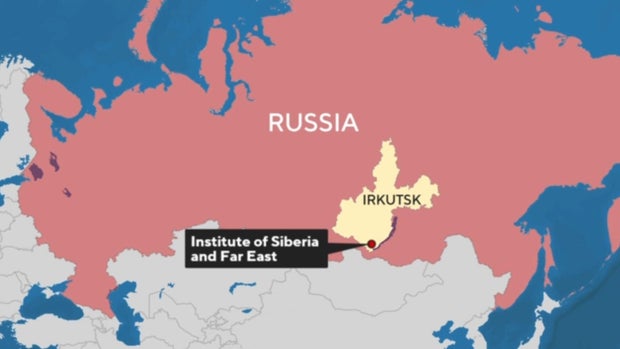
Lindmeier said Russian authorities had identified all people who came into contact with the worker from the Irkutsk Anti-Plague Institute, who has been identified as 28-year-old Darya Shipilova, before she died and that none had symptoms associated with plague.
The center where Shipilova worked is situated in a part of Siberia where plague is found naturally in wild animal populations, the WHO spokesman confirmed.
Lindmeier said her “illness initially presented as a typical acute respiratory viral infection,” but that Russian authorities “are looking into whether pneumonic plague caused her death.”
“WHO is following the situation closely, working with headquarters to keep other countries informed,” he said, and is ready to help Russian authorities if they seek assistance.
Russia’s national health agency, Rospotrebnadzor, played down reports Monday by some officials in the Siberian region — some of which were quickly removed from online platforms — indicating that Shipilova had died after contracting plague in a lab accident.
The agency said she was not diagnosed with plague, but died of “pneumonia of unknown etiology,” suggesting doctors didn’t know the exact germ that made her sick.
She died in an Irkutsk hospital two days after contracting the illness. The hospital where she was treated, and where her roughly 200 close recent contacts were evaluated, was then partially shut down under quarantine conditions, Russian authorities said. They rejected reports that several other health facilities in the region were also put under restrictions as a precaution.
Stringer/REUTERS 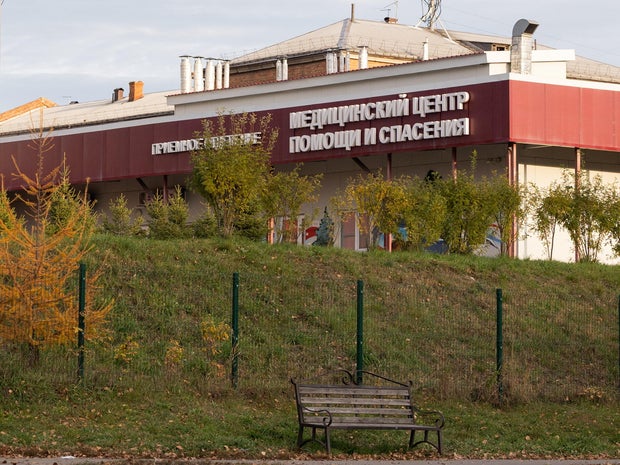
Rospotrebnadzor said Monday that an analysis of samples from Shipilova revealed no microorganisms associated with her work, which involved handling dangerous pathogens at the lab.
The agency said Tuesday that many of her close contacts, having been brought in for screening, were allowed to go back home. It said some cold and flu infections, including several COVID-19 cases, were discovered, but nothing more sinister.
President Trump assured reporters on Monday that U.S. officials were watching the case closely and stood ready to help.
“We’re looking at it very strongly, we just heard about it,” he said. “They call it pneumonia, and pneumonia, you know, years ago you could treat pneumonia easier, and the microbes and the germs have gotten stronger disproportionately. But we’ll help them.”


